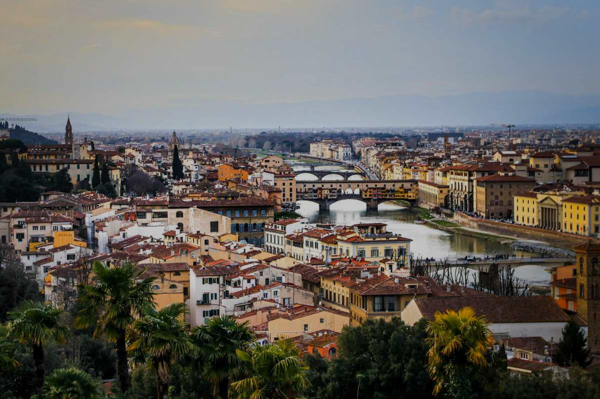
The Renaissance as Daily Habit
Florence doesn’t treat the Renaissance as a completed era. It treats it as something absorbed over time, repeated quietly, adjusted without ceremony. You sense it less when standing still and more when walking — when the city’s proportions begin to register in your body rather than your mind.
Here, history doesn’t demand admiration. It assumes familiarity.
A City Designed for Human Scale
Florence was built to be walked, and Renaissance thinking reinforced that instinct. Streets are measured, distances short, transitions gradual. Views are revealed slowly, often after a turn, never all at once.
This restraint is intentional. The city prefers balance to surprise, coherence to spectacle. It asks you to move at its pace, not rush past it.
Palazzi That Communicate Without Speaking
Florentine palazzi are exercises in controlled authority. Heavy rusticated stone anchors the ground floor. Upper levels soften into symmetry. Decoration appears, but never competes for attention.
These buildings weren’t meant to impress outsiders. They were designed to signal stability, lineage, permanence. Walking past them today, you still feel that confidence — quiet, unapologetic, intact.
Art Outside the Museum Context
Florence’s Renaissance doesn’t live only in curated spaces. It appears in fragments: a faded fresco above a doorway, a sculpted tabernacle at a street corner, a cloister entered by accident.
These works weren’t created as destinations. They were part of daily circulation, meant to be encountered repeatedly, almost casually. That intimacy still holds. You don’t “visit” them; you pass through their presence.
Churches as Civic Architecture
Renaissance churches in Florence were never purely spiritual spaces. They were civic statements, social stages, demonstrations of order and reason. This dual role is still legible today.
Interiors feel deliberate rather than emotional. Grandeur exists, but it’s governed by proportion. You’re not meant to be overwhelmed — you’re meant to understand.
The Legacy of Making
Renaissance Florence was a city of artisans before it was a city of artists. Skill was learned slowly, perfected through repetition. That culture never disappeared.
You still see it in workshops, restorers’ studios, quiet gestures of precision. The Renaissance here isn’t an idea — it’s a method, passed down through hands as much as through books.
Walking Without Interpreting Too Much
Exploring Florence’s Renaissance footsteps isn’t about decoding symbols or following routes. It’s about resisting compression. Standing longer than necessary. Letting buildings exist without immediately categorizing them.
When you stop trying to extract meaning, the city offers coherence instead.
Living the Renaissance Rhythm
Beyond stone and paint, the Renaissance survives in Florence’s rhythm. Lunches stretch. Conversations linger. Time is shaped, not optimized.
This rhythm extends to where you stay. The best hotels in Florence don’t insulate you from the city’s tempo. They echo it — thick walls, inner courtyards, rooms designed for stillness rather than distraction.
What Florence Ultimately Teaches
You don’t leave Florence with a timeline memorized. You leave with a recalibrated sense of measure — an understanding that beauty can be disciplined, innovation calm, and progress quiet.
The Renaissance here never ended. It simply learned how to live inside everyday life — and how to wait for those willing to notice it.
47 comments
I recently read about stunning coastline adventures and felt inspired to explore new waters, delicious seafood towns, and peaceful coves. Thanks for sharing thoughtful tips and vivid scenery ideas for future trips Boat Tour Amalfi.
What a fascinating post about remote waters and patient anglers; the scenery, rhythms, and careful tactics make every outing feel like a small dialogue with nature, inviting curiosity and thoughtful planning alike Sea trout fishing in Argentina.
What a fascinating read—I love hearing about such pristine spots and thoughtful guiding. The local culture and wildlife add a rich layer to any angling adventure, making every trip memorable Bonefish fly fishing in the Bahamas.
What a stunning post—thanks for sharing such vivid details about the journey and the landscapes. Your photos really capture the sense of wonder and the warmth of local encounters along the trail Poon Hill Trek Nepal.
What a thoughtful post—really appreciate the practical tips and the friendly vibe throughout. It’s refreshing to see ideas presented so accessibly while keeping options flexible for different trips and budgets Cheltenham Minibus.
What a thoughtful post—lovely to see expert tips on comfortable group travel. I appreciate practical advice that makes planning easier and the journey enjoyable for everyone involved, from start to finish Luxury Coach And Minibus Hire.
What a thoughtful post—lovely to see expert tips on comfortable group travel. I appreciate practical advice that makes planning easier and the journey enjoyable for everyone involved, from start to finish Luxury Coach And Minibus Hire.
What a wonderful write-up—I loved the tips about pacing visits, enjoying skyline views at dusk, and capturing candid moments without rushing the experience. Thanks for sharing thoughtful, practical advice for travellers eiffel tower tour elevator second floor.
What a lovely post about exploring the countryside — a cozy ride with friends makes every destination feel more inviting and the journey just as enjoyable as the sights Ross on Wye Minibus Hire.
I love posts that capture the quiet magic of coastal trails and rugged landscapes; it’s a reminder that nature offers simple joy, patience, and beautiful views that reward curious, respectful explorers Hiking In Calanques National Park.
What a fascinating read—exploring history, local crafts, and daily life through a thoughtful lens sounds incredibly enriching for any traveler seeking deeper connections and authentic experiences cultural tours in ethiopia.
I enjoyed reading about stunning destinations and must-visit natural spots; this post captures the spirit of adventure, inviting readers to explore wildlife, landscapes, and local culture with curiosity and care lake nakuru kenya.
Loved this post—such practical ideas for planning trips with ease and confidence. The emphasis on flexible pacing and budgeting makes travel feel approachable rather than stressful for first-timers and seasoned explorers alike smart travel planning tips.
I really enjoyed this thoughtful piece, it captures the charm and challenges of exploring new places with warmth and curiosity. It’s a refreshing reminder to embrace imperfect journeys and small discoveries alike Unique Buggy Safari.
What a fantastic post—so many practical tips and a friendly vibe that makes me want to plan a trip soon. Your storytelling really brings the scenery to life, thanks for sharing best cenote diving.
I loved this post and the insights you shared about responsible tourism. It’s great to see how thoughtful planning can enrich wildlife experiences while supporting local communities and conservation efforts kenya safari operators.
I’ve found group trips run smoother with reliable transport options and friendly drivers who know local routes, making special outings more enjoyable and stress-free for everyone involved in the journey Cheltenham Mini Bus Hire Service.
Loved reading this post—great tips for efficient group travel. A thoughtful driver can boost comfort, safety, and punctuality, making trips smoother for everyone involved. Sharing practical recommendations is always appreciated private coach hire services hereford.
What a fantastic post, really gives a sense of the area’s charm and easy accessibility for groups. The shared experiences you mention echo how comfortable, well-planned trips can feel from start to finish Forest of Dean Coach Hire.
What a thoughtful post—it really captures the joy of discovering new places and soaking up local culture while staying mindful of sustainable travel choices. Thanks for sharing these practical tips travel expert app India.
Great post! I appreciate the practical tips and the friendly vibe that makes budgeting feel doable for any traveller. Hope to see more insights on affordable itineraries and hidden gems Sri Lanka Budget Tour Packages.
What a fascinating slice of rowing heaven, where quiet rivers and patient guides blend into memorable days on the water. The scenery alone is worth the effort, and the bite can be surprisingly rewarding Sea trout fishing in Argentina.
What a breathtaking post—loving the way the coastline unfolds in such vivid detail. The scenery feels timeless, inviting travelers to explore slowly and soak up every sunlit moment on the water Amalfi Coast Rent a Boat.
Lovely post with thoughtful tips that really capture the spirit of a relaxed road trip. I appreciated the practical advice and the warm, relatable tone that makes readers feel welcome Car Crete.
Selling your adventure short? This post sparks wanderlust with vivid landscapes, winding roads, and memorable encounters along the way. Hope you share more moments and practical tips from your trip soon Alps Motorcycle Tour.
What a vivid description! The mix of culture, scenery, and adventure really captures the appeal of a memorable desert experience. I can almost feel the warm breeze and see the starry night sky unfold Dubai desert safari.
Great post! I appreciated the practical tips and friendly tone; they really helped me think through simple, achievable steps I can take today without feeling overwhelmed or pressured visa consultants in ahmedabad for usa.
I loved reading about this destination; the vivid descriptions spark imagination and curiosity, inviting readers to explore culture, landscapes, and unique experiences in a memorable, authentic way that feels attainable for many travellers Ethiopian Tourist Attractions.
What a charming post—lovely tips and relatable anecdotes. I appreciate the balanced insights and practical ideas that suit a relaxed, romantic getaway while keeping adventure handy for spontaneous moments Safari Holidays for Couples.
We recently planned a group trip and found a lot of flexible options that kept everyone comfortable without breaking the bank, which made the whole adventure smoother and more enjoyable for our crew 7-8 Seater Mvp For Group Travel Cheltenham.
Loved reading this post—there’s something special about seamless planning for a big group, and the shared experiences on a well-organized trip always beat solo journeys. Great tips here Group Travel Bus Rental Tetbury.
I just wanted to say this post really resonated with me, and I appreciate practical tips that help travelers feel confident and cared for while navigating unfamiliar places with ease Private taxi in Alicante.
I loved reading about this destination and the local experiences shared here. It inspires me to plan a relaxed escape, enjoying scenery, food, and authentic culture at a comfortable pace Tuscany Holiday Villa Rental.
Love hearing riders’ experiences and practical tips for exploring varied landscapes. The sense of freedom and fresh discoveries on every bend really captures why adventures on two wheels appeal to so many of us Motorcycle Touring Europe.
Che bel post, mi è piaciuto scoprire i dettagli pratici e i consigli utili per vivere al meglio una giornata sul mare, tra viste mozzafiato, cibo locale e momenti di relax noleggio barca costiera amalfitana.
What a stunning destination! Reading about scenic routes and cozy stays makes me crave a balanced itinerary with natural beauty, cultural highlights, and enough downtime to truly soak in every moment Swiss alps tour package.
Great post—thanks for sharing insights about group travel. A friendly, reliable transport option can make events smoother and more enjoyable for everyone involved, especially when coordinating multiple stops or large groups Ross on Wye Coach Hire.
I enjoyed reading your post and appreciated the thoughtful insights shared. It’s great to see practical ideas that make events feel cohesive and inclusive, supporting teams to connect and collaborate more effectively coach hire for corporate events.
Great insights on local travel options! For anyone planning group trips in the area, Coach Hire Gloucester offers a reliable and comfortable way to explore without the hassle of multiple vehicles. It’s a fantastic choice for sightseeing tours, corporate events, or family outings around Gloucester and nearby destinations.
I've always dreamed of experiencing the best dove hunting in Argentina, and this post really highlights why it's such a top destination. The vast landscapes and abundance of doves make it a perfect spot for hunters looking for an unforgettable adventure. Thanks for sharing these insights—definitely adding it to my
Merci pour cet article très intéressant sur les sites touristiques du Sénégal. Ce pays regorge réellement de lieux magnifiques à découvrir, entre ses plages, ses parcs nationaux et ses villes historiques. Je recommande vivement aux voyageurs de ne pas manquer Dakar, l’île de Gorée et le parc de Niokolo-Koba pour
Exploring the stunning islands of the Caribbean is an unforgettable experience, and opting for a private yacht charter Bahamas makes it even more special. It offers the perfect mix of luxury, privacy, and flexibility to discover hidden gems at your own pace. For anyone seeking an exclusive travel adventure, a
I've been researching Private Round Tour Packages for my upcoming trip to Sri Lanka, and this post really highlights why choosing a personal tour driver makes all the difference. Having a knowledgeable driver not only ensures a comfortable journey but also allows you to explore hidden gems at your own
Great tips on exploring the area! For anyone planning a trip, I highly recommend booking reliable transfers to Benidorm in advance. It makes the journey stress-free and comfortable, allowing you to enjoy the stunning views without worrying about transportation. Transfers to Benidorm are a convenient way to start your holiday
Exploring Europe is always a joy, and Switzerland stands out with its breathtaking landscapes and charming cities. For those planning their next trip, looking into Switzerland vacation packages can make the experience smoother and more enjoyable. These packages often include a mix of scenic tours, cultural highlights, and comfortable accommodations,
Finding the right Morocco travel agent can make all the difference when exploring the rich culture and stunning landscapes of this unique destination. A knowledgeable Morocco travel agent ensures you experience authentic local adventures, seamless logistics, and hidden gems that you might otherwise miss. Highly recommend working with one for
This itinerary for Switzerland looks fantastic! The blend of scenic train rides and charming alpine villages really captures the essence of Swiss travel. For anyone planning their own itinerary for Switzerland, it’s great to include a mix of outdoor adventures and cultural experiences to fully appreciate the beauty and diversity