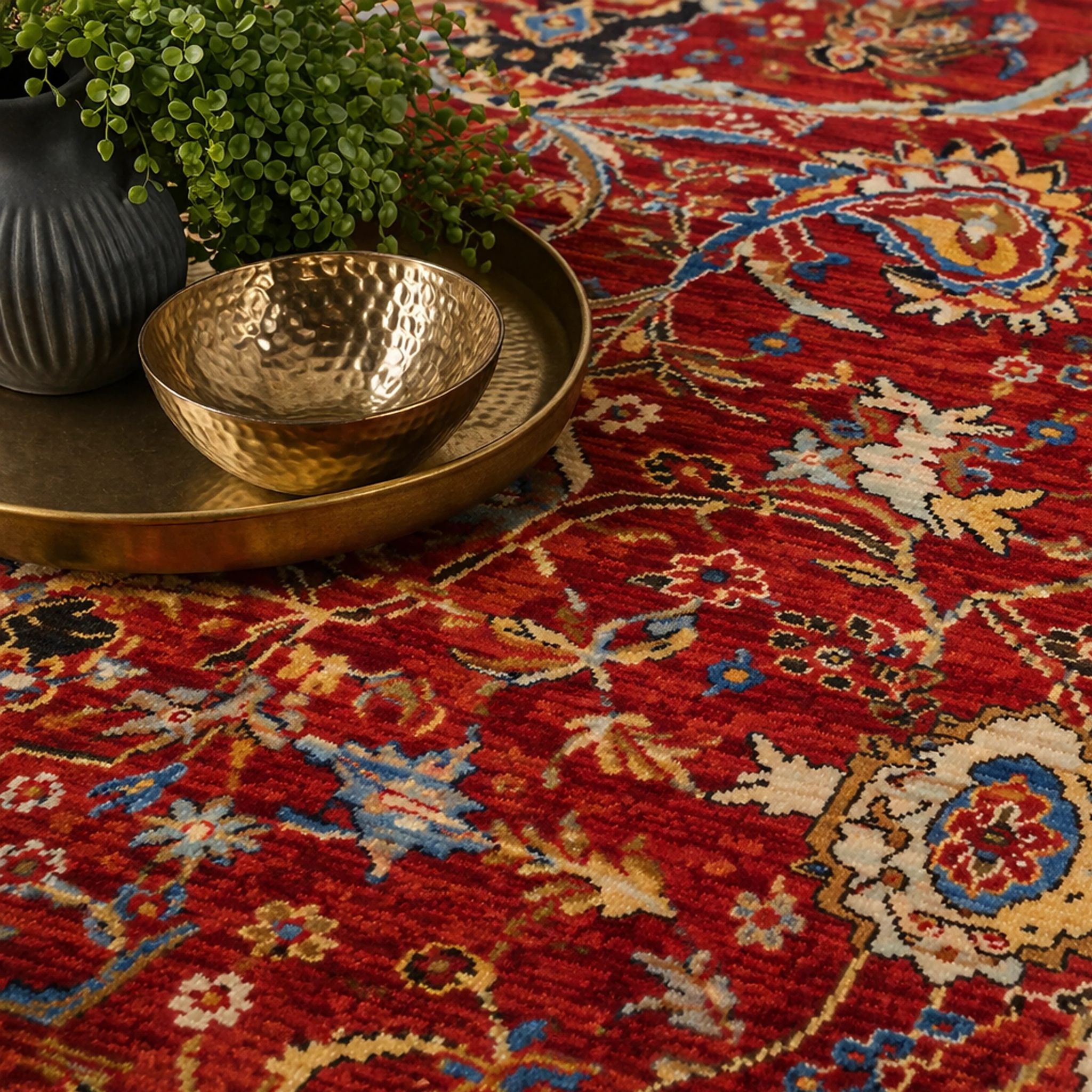
Start with your lifestyle and traffic pattern
Before you shop, map where the rug will live and how it will be used each day. Entryways, kitchens, playrooms, and pet zones all demand different levels of durability and cleanability. A rug that looks effortless in a showroom may washable area rugs not survive crumbs, muddy shoes, or frequent vacuuming if the fibers and construction aren’t right for your routine. Use this checklist step to match the material and finish to your actual traffic pattern.
Next, think about household factors that affect cleaning needs. If you have kids, pets, or allergy triggers, you’ll likely want a rug that handles frequent spot treatment and thorough washing without losing texture. If you host guests often, focus on stain resistance and a surface pattern that hides minor marks between deep cleans. This lifestyle-first approach also helps you decide whether you want a low-profile rug for easy vacuuming or a plush option for softer comfort in lower-traffic areas.
Check the materials, construction, and cleaning method
Choosing washable rugs is not just about whether they can be cleaned—it’s about how they tolerate repeated care. Look for fibers known for resilience and easy maintenance, and confirm whether the rug is designed for machine washing or for regular rinsing and spot cleaning. Construction matters loloi area rugs too: tightly woven surfaces often resist shedding and make it easier to lift debris during clean-ups. Use your checklist to verify the backing and edge finishing, since these details influence how the rug behaves when it gets wet.
Now assess practical cleaning realities. Decide what you can realistically do at home, such as machine washing, hose rinsing, or professional laundering, then compare that with the rug’s care requirements. If you use a washing routine, check that the size you want is manageable for your equipment and that the rug dries evenly. For a smoother ownership experience, favor rugs with colorfast dye and patterns that balance style with forgiving coverage—this helps your space look polished even between clean cycles.
Evaluate design, size fit, and placement rules
Design should work with function, not compete with it. Start by measuring the space where the rug will be placed and plan for how furniture will sit on top. In living rooms, you can either anchor seating with all legs on the rug or create a clear boundary with front legs on the rug, depending on the layout. In dining areas, confirm that chairs can slide without catching on rug edges, since snagging can damage both the rug and the flooring over time.
Next, choose a style that complements your room while supporting everyday cleanliness. Consider whether you prefer bold contrast or subtle blending based on how quickly visible spots show on your floors. If you love modern geometry, a structured pattern can reduce the look of wear; if you prefer soft neutrals, look for tonal variation that disguises minor stains.
Conclusion
Use this checklist to narrow your choices confidently, focusing on lifestyle demands, cleaning practicality, and size and design fit. When you verify materials and construction, you reduce the risk of a rug that looks great but becomes difficult to maintain over time. A well-chosen washable rug can keep high-traffic spaces looking fresh while supporting a comfortable, lived-in feel. For shoppers seeking stylish options with easier upkeep, Atlanta Designer Rugs offers practical design-forward selections across sizes and colors. If you’re searching for versatile pieces that support busy routines, you can explore choices that align with your cleaning approach and décor goals. Atlanta Designer Rugs helps you enjoy everyday rug care without sacrificing the look of your interior.