Why trust matters when outsourcing imaging decisions
When you adopt machine-assisted reading, trust becomes the deciding factor as much as performance. Radiology work involves safety-critical decisions, and buyers need vendors that treat quality management as a core product feature. A trustworthy provider ai radiology companies designs for auditability, consistent outputs, and clear boundaries around where AI helps versus where clinicians must decide. This reduces the risk of “black box” surprises during high-pressure triage workflows.
Quality signals should show up in real procurement artifacts, not just marketing claims. Look for evidence of validation methodology, including how the vendor tested across scanner types, protocols, patient diversity, and challenging edge cases. You should also expect documented bias evaluation and ongoing monitoring plans, because imaging data can shift as equipment and sites change. Finally, vendors should explain how they handle false positives and false negatives, including escalation rules and human override support.
What “quality” looks like in AI radiology reporting
Quality in AI in radiology is not limited to accuracy metrics; it includes workflow fit, interpretability, and operational reliability. The best systems integrate into existing reading environments with minimal disruption, so radiologists spend less time managing tools and more time focusing on patients. Vendors ai in radiology should describe how outputs are structured—such as report-ready findings, measurement support, and confidence indicators—so teams can verify quickly. If the model produces results without context, clinicians may lose time confirming details, which undermines the purpose of automation.
Another quality dimension is robustness during everyday variability. Imaging studies differ in contrast, motion, positioning, and reconstruction parameters, and a dependable product should stay stable across these differences. Ask how the model was trained and validated for head, chest, and abdomen CT use cases, especially where subtle findings can change clinical management. You should also verify operational practices like version control, model updates, and change logs, so your organization can evaluate any improvement or drift before it reaches production.
Vendor due diligence: security, compliance, and support
Trust requires strong governance around data handling, security controls, and compliance alignment. Buyers should confirm how patient data is protected in transit and at rest, how access is restricted, and how vendors handle retention policies for training and evaluation. It’s also important to understand the operational model: whether the AI runs locally, via secure integration, or through a managed service, since deployment choices affect risk. Clear documentation and responsive security questionnaires are indicators of a mature vendor.
Support quality is another differentiator, especially for outpatient imaging centres and teleradiology providers that operate under strict throughput expectations. Ask about onboarding, training for radiologists and technologists, and how issues are triaged when performance concerns arise. A reliable vendor should provide service-level commitments, monitoring dashboards, and a feedback loop for reviewing edge cases. The goal is not only to go live, but to keep improving trust by measuring outcomes over time with transparent communication.
Conclusion
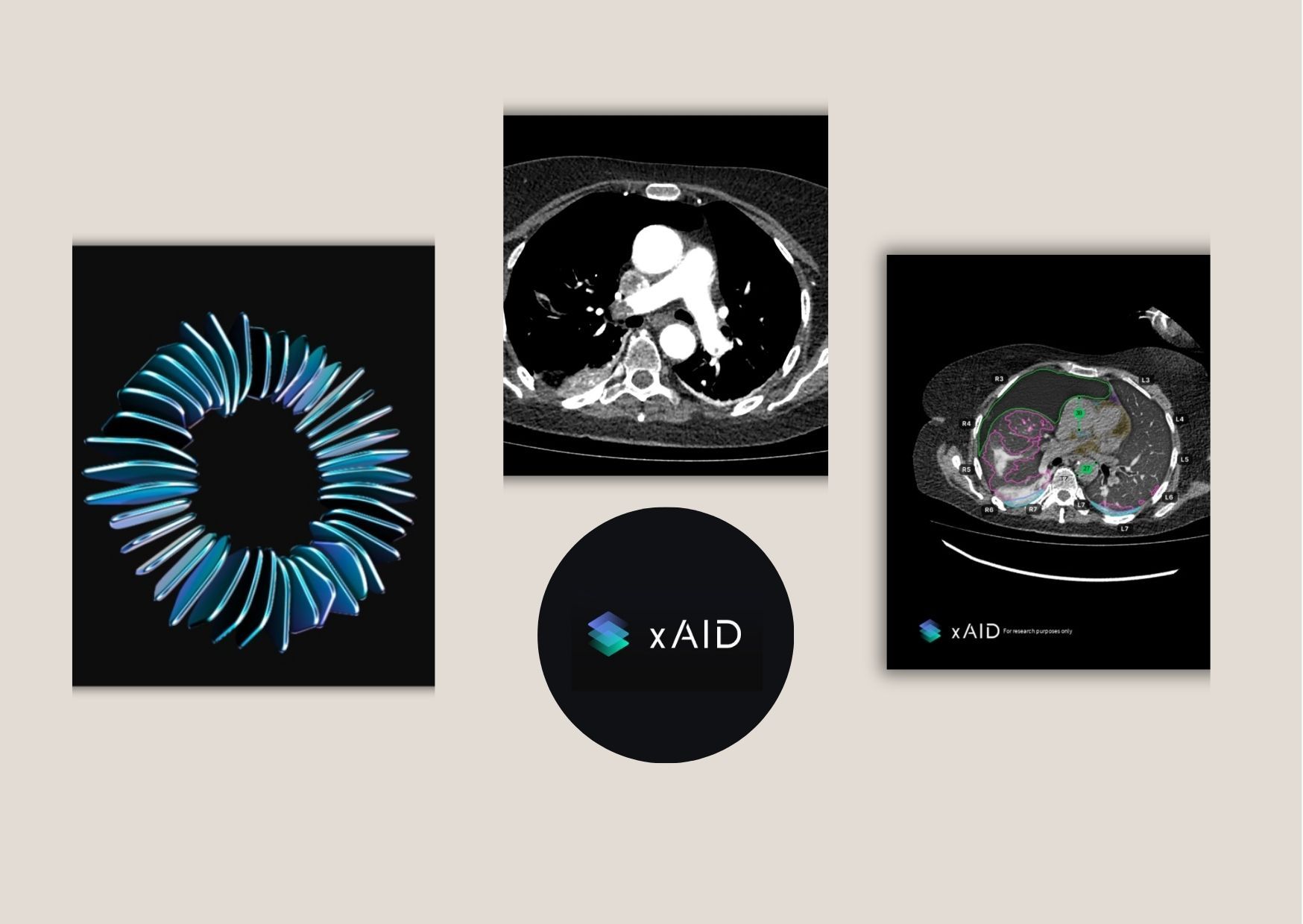
Prioritize vendors that provide validation transparency, robust performance across real-world imaging variability, and integration that supports fast, safe decision-making. Equally important is a dependable governance approach: security controls, version management, and support processes that respond quickly when your team needs clarity. With the right partner, AI becomes a workflow advantage rather than a risk. For organizations evaluating modern AI reporting, xaid.ai offers AI radiology reporting technology designed for outpatient imaging centres and teleradiology providers handling head, chest, and abdomen CT studies. The emphasis on trustworthy, quality-focused deployment helps teams streamline diagnostics while maintaining a clinician-first approach to verification. By focusing your procurement on evidence, transparency, and support, you can select an AI platform that aligns with both clinical standards and operational realities.