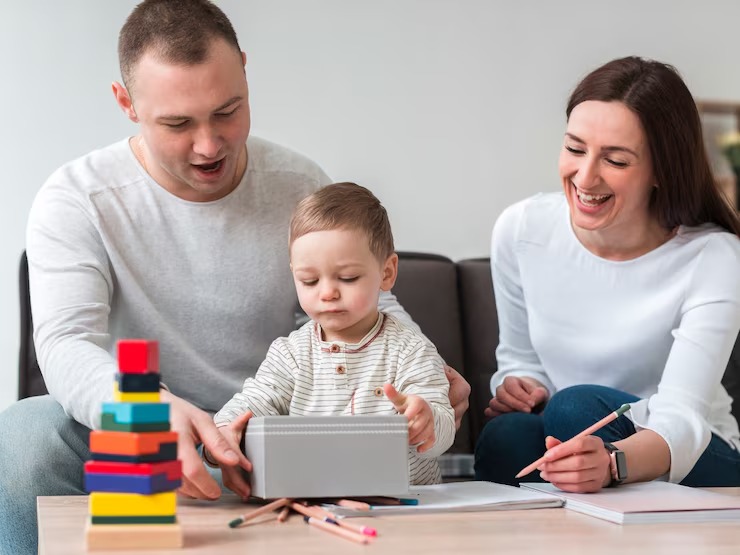
Emotional support during early years lays the foundation for lifelong confidence and well‑being. Children who feel safe and understood are more likely to develop secure attachments, express their feelings healthily, and explore their environment with curiosity. Parents can nurture emotional support by being present, listening attentively, and acknowledging emotions without judgment. Small daily routines, like reflecting on the best part of the day together, provide opportunities for connection and emotional validation. Such supportive environments help children build resilience, manage stress, and grow into emotionally balanced individuals.
Creating Meaningful Family Routines
Routines offer structure and comfort, helping families manage busy schedules with intention. Simple rituals like shared breakfasts, evening reading time, or weekend nature walks give children predictable rhythms that promote security and reduce anxiety. These routines become opportunities for conversation, laughter, and teaching moments, grounding children in consistency while reinforcing family bonds. Flexibility within routines also teaches adaptability, allowing families to navigate unexpected changes with calm and cooperation. Meaningful routines thus become the scaffolding that supports emotional stability and collective family identity.
Guiding Children Through Positive Discipline
Positive discipline prioritizes teaching over punishment, helping children understand why certain behaviors are preferable and offering alternatives when boundaries are crossed. For example, rather than reprimanding a child for not sharing, parents can guide them through empathy by asking how they would feel in another’s place and suggesting sharing strategies. Consistent, respectful communication builds understanding and cooperation instead of resistance. When discipline focuses on guidance, children feel valued and learn self‑regulation—a key life skill that supports behavior in social settings and intimate relationships alike.
Balancing Digital Engagement and Real‑World Interaction
Digital devices are an integral part of modern childhood, offering educational and creative opportunities. However, balance is crucial. Families can set clear guidelines that distinguish between school‑related screen time and leisure usage. Encouraging breaks, promoting outdoor activities, and scheduling tech‑free family time help children engage with the physical world meaningfully. Parents can model balanced digital behavior by limiting their own screen use during shared activities. Intentional digital habits cultivate a healthier relationship with technology, fostering cognitive development without sacrificing family dynamics.
Encouraging Healthy Eating and Active Lifestyles
Healthy eating and regular activity contribute significantly to children’s physical growth and mental clarity. Introducing colorful, balanced meals with a variety of nutrients fuels energy and supports cognitive development. Involving children in choosing ingredients and preparing meals often increases their enthusiasm for nutritious food. Additionally, integrating fun physical activities—like family bike rides or dance sessions—ensures children associate movement with enjoyment rather than obligation. When families embrace both healthy eating and active lifestyles together, children gain habits that support long‑term well‑being and confidence.
Conclusion
Family and parenting dynamics in the modern era are shaped by intentional emotional support, balanced routines, and opportunities for growth. Prioritizing meaningful family time, positive discipline strategies, and healthy lifestyle choices lays the groundwork for confident, well‑rounded children. Balancing digital engagement with real‑world activities, supporting learning beyond academics, and fostering social skills all contribute to children’s resilience and happiness. Through mindful parenting practices, today’s families can nurture environments where every child feels supported, encouraged, and equipped to thrive.
