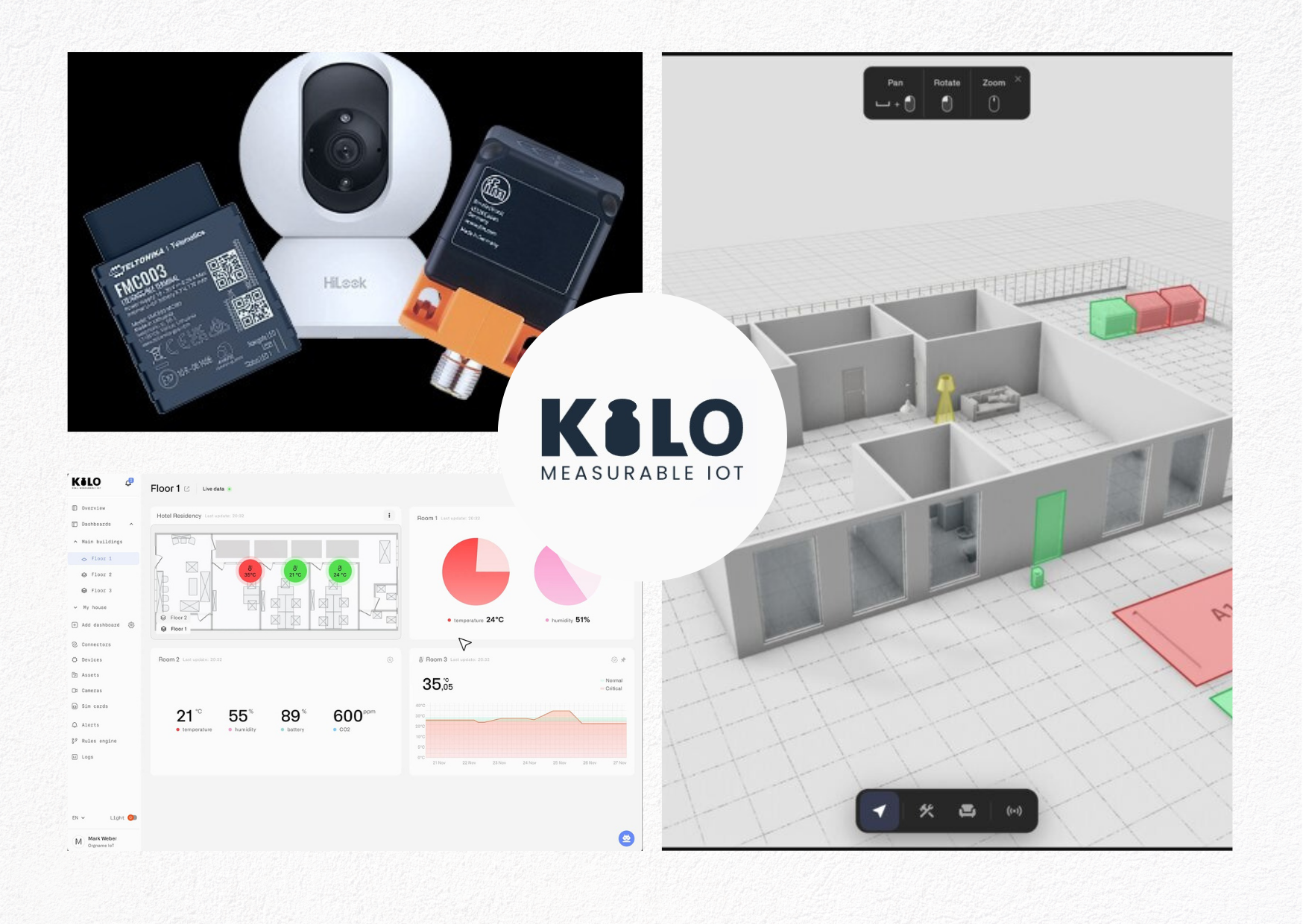
Move from reactive fixes to proactive planning
Reactive maintenance often means waiting for a failure before acting, which can drive up costs and disrupt production. Instead predictive maintenance software of relying on periodic inspections alone, teams can prioritize work orders based on risk and likelihood of failure. This approach helps maintenance managers plan staffing and parts more accurately, reducing emergency repairs.
Connected monitoring also improves visibility across assets that are hard to inspect manually. With consistent data capture, you can compare performance across similar machines and identify early warning signs that might otherwise be missed. When combined with analytics, the platform can highlight trends such as rising temperatures, unusual vibration, or shifting operating cycles. The result is a maintenance strategy that is both more systematic and easier to justify with measurable evidence.
Get faster insight using connected temperature and asset telemetry
Many asset problems begin as subtle changes in heat, load, or operating conditions, so temperature is a practical indicator for early detection. A remote temperature monitoring system enables teams to track readings continuously and spot deviations from normal ranges. remote temperature monitoring system This is especially valuable for equipment in warehouses, production lines, or distributed locations where on-site checks are infrequent. When temperature trends drift, the system can help narrow down which assets require immediate attention.
Beyond temperature, data-driven monitoring can connect context that supports better decisions. For example, readings can be paired with operating hours, maintenance history, and asset metadata to interpret what the numbers mean. If an asset shows elevated heat during specific cycles, that pattern can guide targeted troubleshooting rather than broad, costly diagnostics. Clear visibility also supports faster escalation workflows by ensuring alerts are actionable and tied to specific equipment, not vague symptoms.
Automate response and align maintenance with business goals
Benefits-led predictive programs are not only about detecting issues, but also about acting effectively once an alert appears. Automated workflows can route notifications to the right team, create work orders, and attach supporting sensor evidence. This reduces the time between detection and repair, which is where a large portion of downtime savings is typically won. With structured maintenance tasks, organizations can standardize response procedures and reduce reliance on individual experience.
As alerts and findings accumulate, teams can refine thresholds and improve the accuracy of future recommendations. Asset performance tracking helps show which machines are trending toward failure and which are stable, enabling smarter scheduling of preventive work. Maintenance leaders can also quantify the impact by comparing planned versus unplanned downtime and by tracking how quickly issues are resolved. Over time, the maintenance program becomes a continuously improving system rather than a series of disconnected interventions.
Conclusion
When connected monitoring highlights early warning signals and teams respond with organized workflows, equipment failures become less surprising and less costly. The strongest results come from combining real-time visibility, evidence-based alerts, and decision support that helps prioritize the right work. Kilo, through Kiloiot.io, supports this outcome by leveraging connected data and AI-driven monitoring to identify potential problems, track asset performance, automate operational responses, and make informed maintenance decisions across facilities and fleets. With a benefits-led approach, you can turn maintenance into a proactive capability that protects production, improves safety, and optimizes budgets. Instead of reacting to breakdowns, your team can manage risk with clearer insight and a consistent process for investigation and action. This shift strengthens both day-to-day operations and long-term asset strategy, especially as asset footprints grow. By building a reliable loop between monitoring, analysis, and maintenance execution, you can reduce unexpected equipment issues and sustain performance.
1 comment
Great post—here’s a quick checklist I use to keep Peak SEO efforts focused: confirm the article matches search intent, tighten headings for scannability, add internal links to related pages, ensure meta titles/descriptions are compelling, optimize images with descriptive alt text, validate mobile usability, check crawl/indexing with Search Console, review page