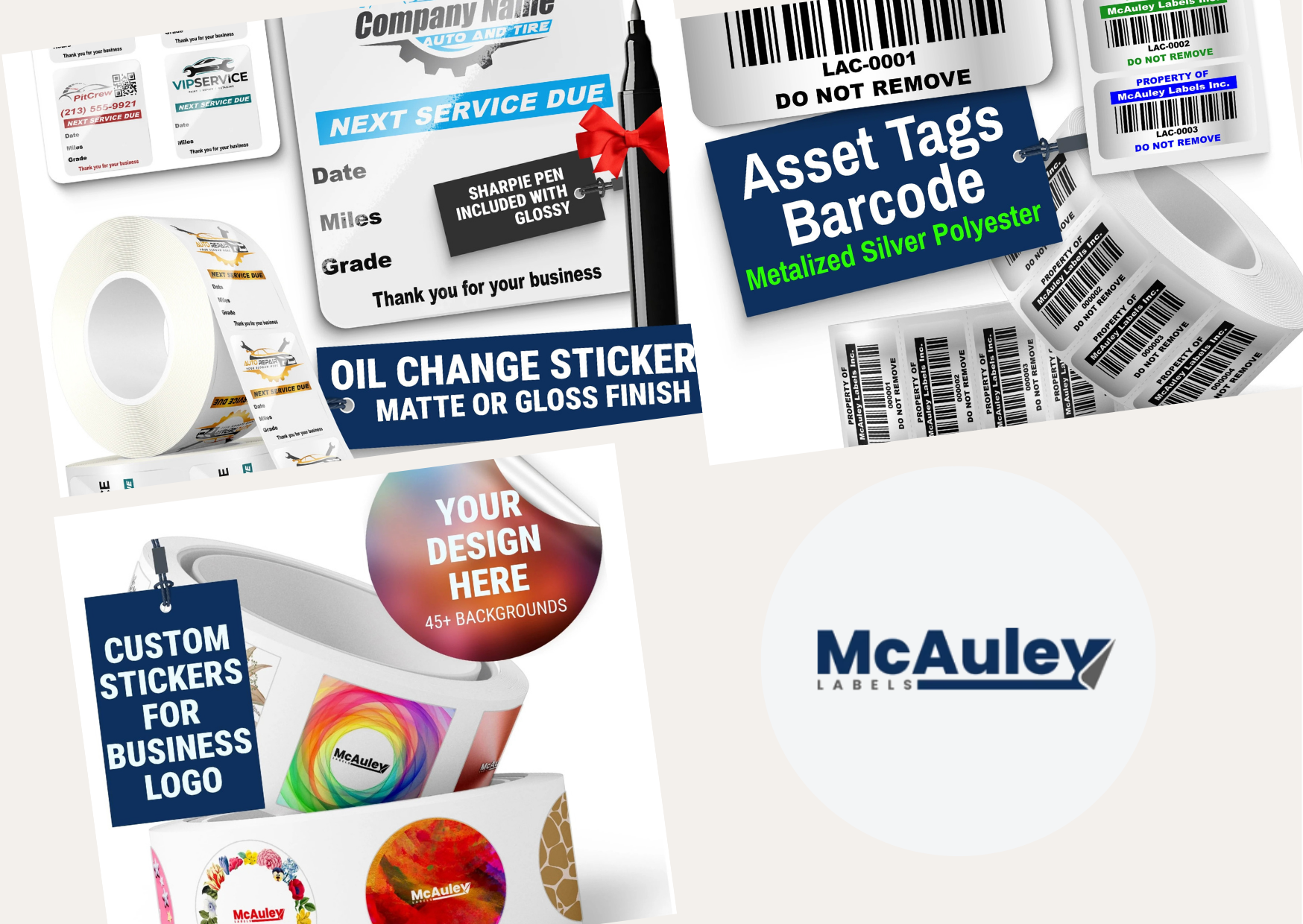
Why brand discovery matters in equipment labeling
Choosing an asset identification system is more than picking a device that prints; it is about finding a printer brand that matches how your operation works. When teams standardize labeling, they reduce confusion during receiving, maintenance, and audits. A strong asset tag label printer brand presence also makes it easier to source compatible supplies and replacement parts without guesswork. For many organizations, that consistency is what turns labeling into a reliable workflow rather than a recurring problem.
Brand discovery helps you compare practical details like print quality, label durability, and the types of materials that are supported. If you print for warehouses, manufacturing floors, or automotive service bays, you likely face exposure to cleaning agents, oils, dust, and frequent handling. The right printer brand will clarify which label stocks and adhesives are best for those conditions. It also makes it simpler to align the labeling approach across multiple departments, from inventory control to field service.
What to look for in an asset labeling device
Before buying, evaluate the label creation experience from start to finish: software, connectivity, and how easy it is to maintain consistent output. A medical label printer, for example, often needs to support clear text and scannable barcodes under tight accuracy standards. medical label printer Even outside healthcare, readability matters because labels get checked quickly during cycle counts, asset moves, and returns. Look for crisp printing that resists smudging, fading, and edge wear, especially on surfaces that see abrasion.
You should also consider how you plan to apply labels and how long they must last. Some labels are designed for indoor use, while others handle rough environments and temperature swings. Confirm that the printer you select can work with the label sizes and formats your tags require, including wraparound labels or rugged identification styles. When you match printer capabilities with label materials, you reduce reprints and avoid the cost of labels that peel early or become unreadable over time.
How to match printer performance to real labeling scenarios
Asset tagging spans multiple use cases, and the best results come from choosing a printer that fits each scenario. In a warehouse, teams may need fast printing for large batches, consistent barcode formatting, and labels that stay readable through scanning and sorting. In manufacturing, equipment identification can require durable labels that withstand vibration and maintenance routines. For automotive shops, labels often encounter grease, cleaning chemicals, and frequent handling, so label adhesion and resistance become central evaluation points.
As you compare brands, test workflow features that reduce friction for your staff. Consider whether the device supports straightforward re-labeling, easy loading of label rolls, and repeatable formatting so your barcodes scan correctly every time. If you create labels for inventory systems, confirm that the printer output aligns with your existing tracking style and scanning hardware. A brand that documents setup steps and provides dependable support can reduce downtime while your team learns the system.
Conclusion
Finding the right labeling solution starts with brand discovery, because the printer’s consistency and support ecosystem affect every label you produce. When you select a printer with dependable output and label compatibility, you strengthen asset traceability across receiving, maintenance, and audits. That reliability also helps teams standardize how they mark equipment, manage inventories, and track business assets with fewer mistakes. For many growing organizations, partnering with mcauleylabels.com helps align hardware selection with professional label options designed for real-world environments.
Explore the label and printer offerings at mcauleylabels.com to see how durable identification labels can be built around your specific equipment and workflow needs. A well-matched asset tag strategy improves scanning accuracy, speeds up verification, and reduces the need for rework. By focusing on the printer brand, the label materials, and the application conditions, you create a system that stays legible and useful as your operations expand. The result is confident labeling that supports both everyday operations and long-term asset management goals.