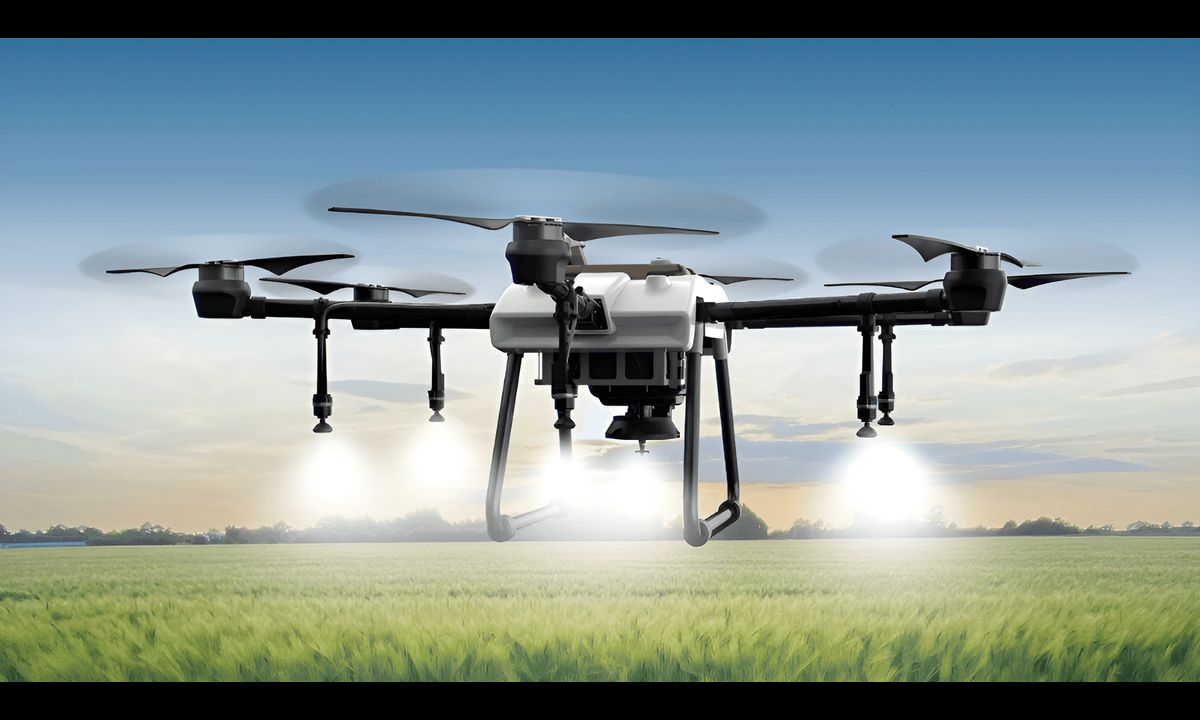
Why UAV Motor and Servo Matching Becomes a Bottleneck
Designing a reliable drone power system is rarely a simple matter of selecting a motor and moving on. Engineers often face mismatched performance targets—insufficient torque under load, sluggish dynamic response in fast maneuvers, or integration constraints caused by compact airframes. For FPV racing drone motors, the challenge intensifies: every throttle change demands rapid acceleration, consistent power delivery, and stable operation during high-intensity flight Kpower Technology Co. Expands UAV Motor and Servo Solutions for Drone Power Motors and FPV Racing Drone Motors profiles. At the same time, many platforms require precision auxiliary motion control, where servos must deliver accurate positioning, controlled current draw, and dependable communication with the flight controller. When the propulsion and control elements are treated as separate purchases, the result is usually longer iteration cycles, more bench testing, and avoidable procurement friction.
How Kpower Expands Motor and Servo Solutions to Solve Integration Problems
to address the real-world gaps seen in drone development—component mismatch, slow prototyping, and inconsistent system behavior. The expanded ecosystem focuses on multiple propulsion needs, from mainstream drone power motors to high-performance brushless designs optimized for racing-grade responsiveness. On the control side, the full-series servo lineup supports precision motion requirements, including brushless servos, coreless servos, digital servos, micro servos, waterproof servos, and high-torque industrial servos. Engineers can select motor and servo options across a range of KV values, voltage specifications, and compact dimensional sizes, helping teams align drive components with airframe packaging and mission demands without sacrificing performance stability.
Engineering Support and System Customization for Faster Iteration
Even with strong individual components, drone teams still struggle with integration details: mounting geometry, wire routing, control tuning, and power delivery behavior under transient loads. Kpower’s expanded approach emphasizes full-cycle support that moves beyond single-component supply toward scenario-adaptive drive system customization. By applying modular drive technology and personalized product development, the company supports prototype verification and scheme optimization before moving into standardized mass-production workflows. Quality assurance is built around full-lifecycle quality management across design, R&D testing, and batch production, supported by multi-dimensional testing and inspection to validate performance and durability. This model helps procurement teams reduce rework and helps engineers reach flight-ready results with fewer iterations—an advantage when time, reliability, and thrust-to-weight trade-offs are critical.
Conclusion
When propulsion performance and motion control accuracy must work together, the development process benefits from a supplier that treats the drone power system as an integrated whole. With an expanded portfolio of UAV motor options, precision servo solutions, and customizable drive engineering support, kpower.com positions engineering teams to solve common integration issues—torque consistency, dynamic response, compact packaging, and communication compatibility—through better component matching and end-to-end development guidance.