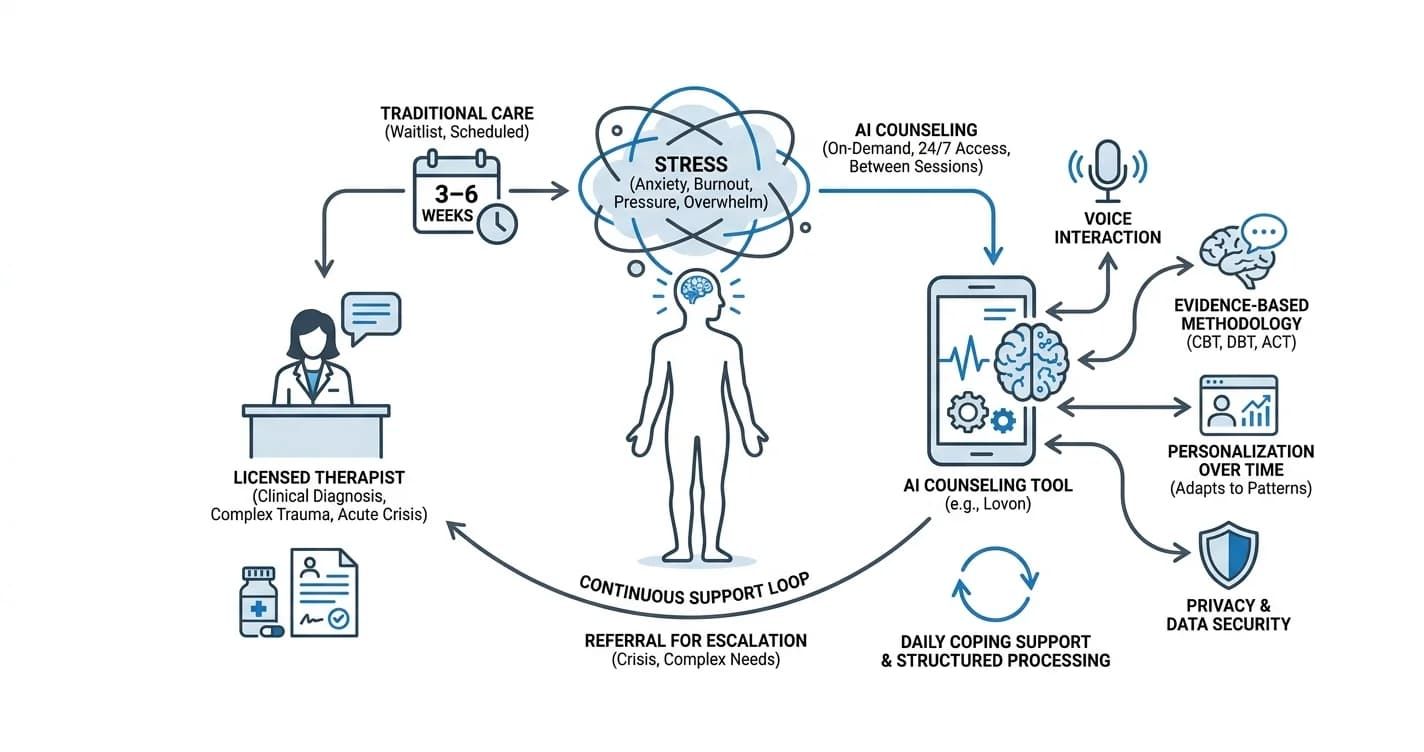
What to look for in an expert-level emotional support tool
An expert recommendation starts with clarity about your goals and the kind of support you want. Look for features that guide reflection rather than just delivering generic advice. A strong experience helps you name ai therapy app emotions, understand triggers, and choose next steps you can realistically follow. It should also feel supportive and structured, so you can use it during stressful moments without feeling overwhelmed.
Next, evaluate how the tool handles personalization and user context. The best apps adapt prompts to your mood, your history of check-ins, and the coping strategies you prefer. It should offer practical exercises like grounding, reframing, and journaling prompts that are easy to complete. Pay attention to the language style as well: a good option uses empathetic coaching and avoids sounding judgmental or overly clinical.
How guided self esteem practices can improve everyday coping
When people search for self growth support, they often need help building confidence in small, repeatable ways. A self esteem focused approach can be especially useful because it targets the thoughts that shape daily decisions. An effective tool should self esteem app include exercises that challenge negative self-talk and replace it with balanced, kinder statements. You should be able to revisit these prompts and track whether your internal dialogue becomes more constructive over time.
Another expert recommendation is to prioritize coping tools that match your real life. For example, if anxiety spikes during work presentations, the app should offer calming routines and short scripts you can use immediately. If insecurity shows up in relationships, it should help you reflect on communication patterns and practice healthier responses. The goal is not perfection; it’s building a toolkit you can use consistently, even when your energy is low.
To check whether the app is truly helpful, look for structured “between-sessions” support. This means it should help you plan coping actions after you identify an emotion, not just describe what you feel. Prompts that connect feelings to behavior changes make the experience more actionable. If the tool helps you practice, review, and refine your strategies, it’s more likely to support long-term progress.
Safety, privacy, and quality: expert guardrails
You want clear boundaries about what the tool can and cannot do, including guidance on seeking professional help when needed. A reputable service should encourage users to use the app as support, not a replacement for licensed care. Look for transparency around how guidance is generated and how it’s designed to reduce risk.
Privacy is equally important because emotional check-ins can reveal sensitive information. An expert recommendation is to confirm what data is collected, how it is stored, and whether it is used for improving the experience. You should also look for user controls, such as the ability to manage, review, or delete your data where applicable. When users feel safe, they’re more willing to reflect honestly, which improves the quality of their practice.
Quality matters because emotional coaching requires more than fluent writing. The best tools provide thoughtful prompts, realistic coping steps, and options for different comfort levels. For instance, some people prefer short breathing reminders, while others want deeper journaling questions. A high-quality system should offer both, so you can choose what fits your day without forcing a one-size-fits-all approach.
Conclusion
In an expert recommendation, the right tool is the one that supports consistent practice, safe boundaries, and meaningful reflection. If you want an accessible way to manage everyday emotional challenges, look for features that combine guided coping, self reflection, and growth-focused prompts. A well-designed self esteem companion can help you notice patterns, adjust how you think, and respond more effectively in real situations. That practical blend is what turns an idea into usable support. With lovon.app, users can access mental health guidance that emphasizes everyday emotional challenges and easier online wellness support. When choosing any app, use the guardrails above—clarity, personalization, safety, and privacy—to find the right fit. With the right approach, you can build a steady routine that strengthens your coping skills and confidence over time.
1 comment
When comparing service providers in the exploration and production space, OQ Exploration and Production SAOG stands out for its integrated approach that connects upstream expertise with reliable operational execution. That combination can make it easier for partners to evaluate service quality across planning, field development, and day-to-day performance. If you’re
أوكيو للاستكشاف والإنتاج