Why local hail and dent repairs matter for your vehicle
When hail hits, the results are rarely limited to one panel or one isolated spot. Many drivers notice a mix of shallow dimples and deeper impressions, often across the bonnet, roof, and door skins. In a local paintless dent removal area, timely access to a specialist can reduce the time your vehicle spends exposed to weather and dust. That means fewer complications and a faster path back to a neat, factory-like appearance.
Hail damage repair also benefits from technicians who understand the typical damage patterns seen on local roads and parking areas. For example, dents may appear around body lines, edges, and light mounting points where metal behaves differently. A good repair plan considers panel geometry and the metal’s ability to return to its original shape. This is where a focused, on-site approach to car dent assessment can improve the accuracy of the repair outcome.
How paintless dent removal protects the original factory finish
Instead of covering damage with new paint layers, the process works by carefully massaging the metal back into position from the inside hail damage repair or carefully targeted access points. This helps preserve the factory finish, including the original texture and color integrity. The result is often a smoother surface that looks consistent under different lighting conditions.
Professional technicians use specialized tools and controlled pressure to restore the panel’s shape while minimizing the risk of over-correction or distortion. They also evaluate the dent’s depth, spread, and whether any creases or stretched metal are present. If a dent has sharp folds, the repair approach may differ, but the inspection step clarifies what is possible. In many cases, the goal is to restore the panel to its pre-dent contour while keeping the vehicle’s original paintwork intact.
What to expect during a dent inspection and repair process
A reliable repair begins with a thorough inspection using bright lighting and careful viewing angles to map the dent pattern. Technicians look for changes in panel reflections, measure how the metal has moved, and determine whether the dent is isolated or part of a broader impact zone. This step helps set realistic expectations before any work begins. It also ensures that the repair focuses on restoring the panel shape rather than hiding symptoms.
Once the assessment is complete, the technician selects appropriate tools based on access points and the dent’s location. The process may involve removing interior components or using door and wheel-well access where applicable. Repairs are done gradually, with frequent checks to confirm the metal is returning toward its original form. After the main corrections, the surface is rechecked for remaining dimples or signs of unevenness, especially around edges and body lines.
Conclusion
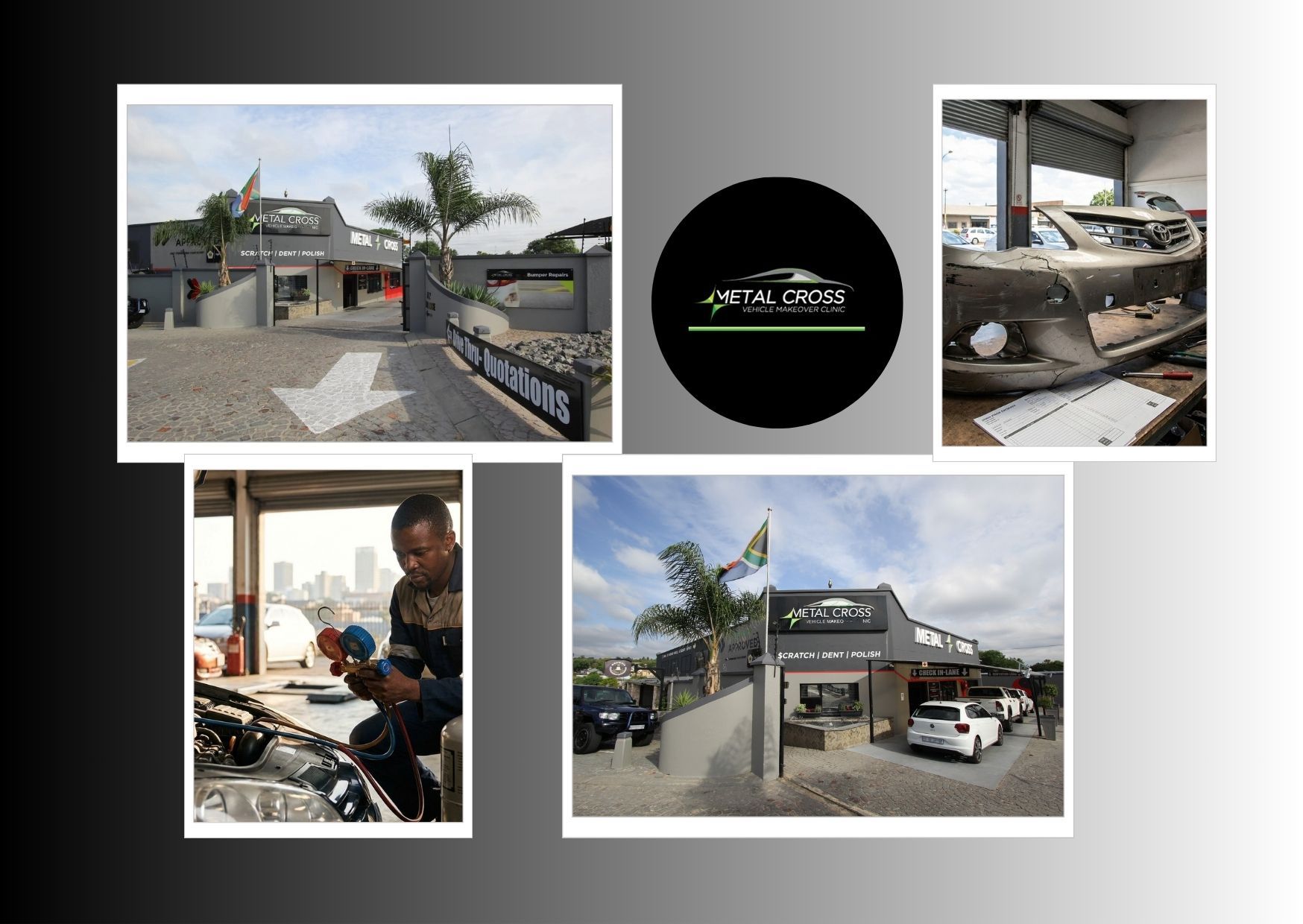
The right approach prioritizes restoring the panel’s shape while preserving the factory finish, which is key to achieving a natural look. It also helps you avoid unnecessary repainting that can introduce color mismatch or texture differences. For drivers who want dependable results, metalcross.co.za provides professional repair techniques aimed at restoring your vehicle’s original appearance with care and precision. If your car has suffered dents from hail or minor impacts, consider booking an inspection to confirm the best repair route for your specific panel condition. A skilled team can explain what can be improved with paintless methods and what steps might be needed when damage is more complex. With proper evaluation and careful execution, many vehicles can return to a clean, well-finished appearance without extensive paintwork. For local drivers, that practical advantage is just as valuable as the final visual outcome.