Start with your real-world protection needs
Choosing a safe starts with identifying what you need to protect, not just the room where the safe will sit. Make a list of valuables such as documents, cash, electronics, jewelry, and tools, then estimate their approximate size. Consider chubb safes how often you need access and whether you want to store items that are sensitive to fire, moisture, or theft attempts. This helps you match the safe’s intended use to your everyday habits.
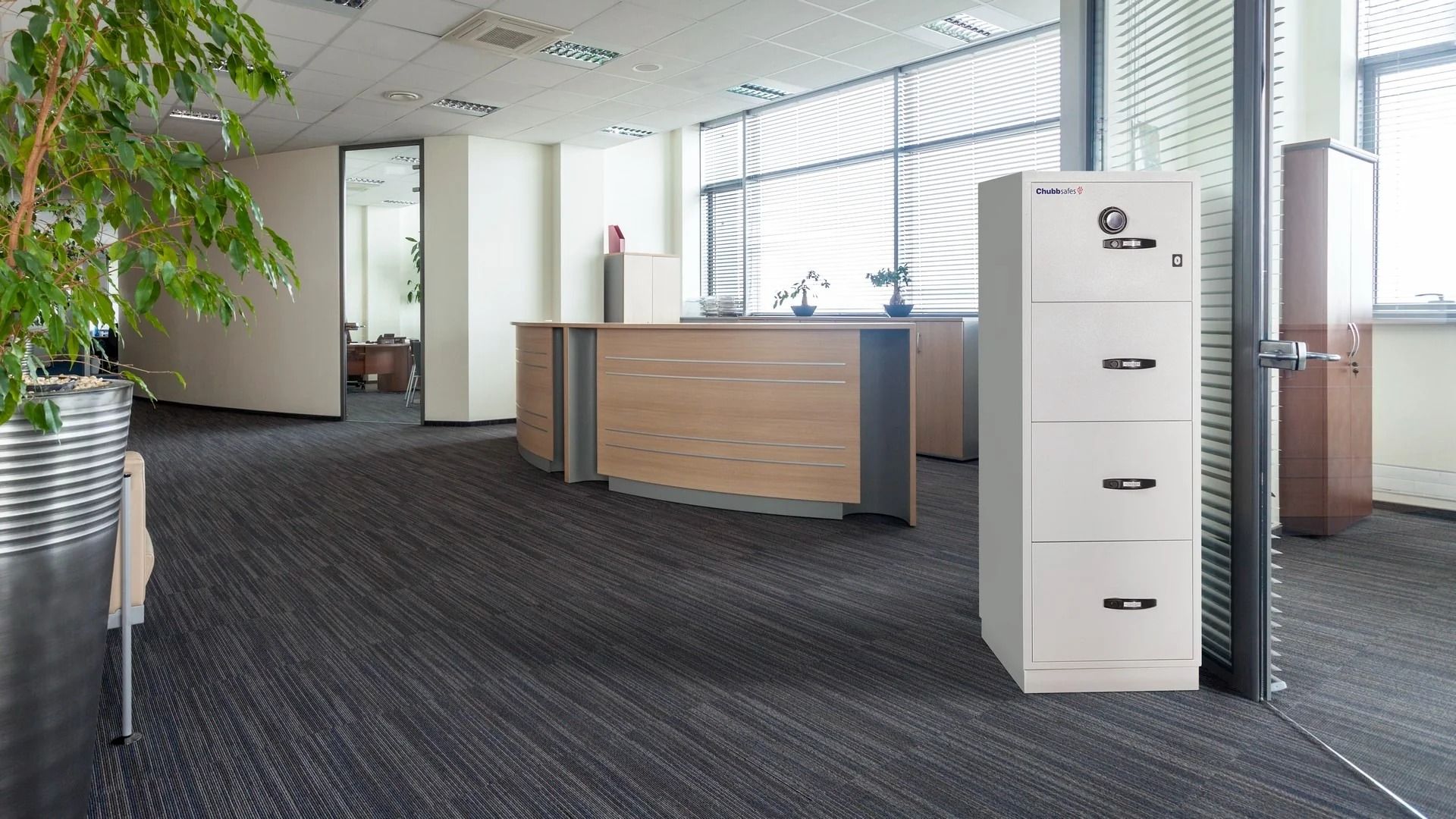
Next, think about how the safe will be used in your home or workplace. If you’re securing important records, you’ll typically want a model designed to keep documents organized and supported so they remain accessible. If you’re safeguarding larger valuables, you’ll need interior space that fits your items without forcing shelves or awkward stacking. For specialized storage like firearms, confirm that the safe supports the required storage category and that the arrangement allows safe handling.
Match capacity, locking, and placement to the threat level
Capacity matters because a safe that’s too small encourages poor loading and reduces security by leaving items unprotected. Measure the items you plan to store and allow room for future additions, such as additional documents or replacement rifle safe equipment. Pay attention to weight and internal layout, including door swing, shelf placement, and any pre-drilled anchoring options. A well-planned interior prevents gaps where smaller valuables can shift or hide in corners.
Locking and access features should be chosen with both convenience and security in mind. Look at the locking mechanism type, the quality of the boltwork, and how the door responds when closed and locked. If you require reliable access for household members or staff, consider how the safe will be operated during everyday use. Placement is equally important: install the safe where it can be anchored properly and where a thief would face extra resistance and time to attempt removal.
Fire, tamper resistance, and legal compliance for special items
Not all safes protect against the same risks, so it’s important to separate burglary resistance from fire protection. For documents and electronics, fire-rated performance can be a major deciding factor, especially if you store paper records, portable drives, or sensitive equipment. Check what the safe is designed to protect and how the internal seals and materials contribute to performance. The goal is to reduce damage from multiple hazards, not just one type of attack.
If you need secure storage for firearms, verify compatibility with the storage rules that apply to your situation. Confirm interior dimensions and how straps or supports keep items in place, because shifting items can create wear and make re-storage difficult. Always follow the safety practices recommended for your firearm handling and storage, and ensure the safe is installed securely in an appropriate location.
Buying checklist and installation tips for long-term reliability
Before purchase, confirm the safe’s specifications that relate directly to your storage plan: external dimensions, internal volume, door opening, and anchoring points. If the safe will be used with documents, consider whether the interior supports folders and binders without crushing or bending corners. For valuables that you may access frequently, evaluate ease of opening and whether the handle and locking interface are comfortable to use. A practical safe should feel straightforward to operate while still remaining difficult to compromise.
Installation is where many people lose security points, even after choosing a strong safe. Plan anchoring so the safe cannot be lifted, pried, or relocated, and ensure the mounting surface is capable of supporting the safe’s weight. If you’re placing the safe in a cabinet, under a counter, or inside a utility room, double-check clearance for the door to open fully. For best results, use reputable installation practices and keep access codes, keys, or credentials stored securely away from obvious patterns.
Conclusion
Choosing the right safe is a practical process: define what you’re storing, select the right capacity and locking, and install it in a way that maximizes resistance. Whether you’re protecting documents, cash, jewelry, or specialized items, the best results come from matching the safe to your real risks and access needs. Look for well-built options from trusted manufacturers and ensure the safe’s features align with your everyday use and long-term security goals. For dependable product guidance and quality safe solutions suited to Australian security needs, explore Security Safes at securitysafes.com.au.