Introduction to Voice Technology
Advancements in voice technology have transformed the way businesses interact with their customers. Voice-based systems enhance communication by providing seamless, hands-free interaction, improving accessibility and user AI Voicebot experience. This evolution is largely driven by innovations in artificial intelligence, enabling machines to understand and respond to human speech more naturally.
How Conversational Agents Enhance Customer Service
Conversational agents, powered by sophisticated algorithms, play a crucial role in automating customer service. These systems handle a wide range of queries efficiently, reducing wait times and operational costs. By learning from interactions, they continually improve their responses, making customer engagements more personalized and effective.
The Role of Natural Language Processing
Natural Language Processing (NLP) is at the heart of voice interaction technologies. It allows machines to comprehend context, sentiment, and intent behind spoken words. This capability enables more accurate and meaningful conversations between users and automated systems, elevating the overall quality of the interaction.
Benefits for Businesses Implementing Voice Solutions
Incorporating voice technologies into business operations offers multiple benefits. It leads to improved customer satisfaction through instant support, higher efficiency in handling repetitive tasks, and better data collection for analytical insights. These advantages position companies to stay competitive in rapidly evolving markets.
Challenges in Voice Interaction Systems
Despite impressive progress, voice technologies face challenges such as understanding diverse accents, managing noisy environments, and ensuring data privacy. Addressing these issues requires ongoing refinement of algorithms and robust security measures to maintain trust and usability.
Future Potential of Voice-Based Automation
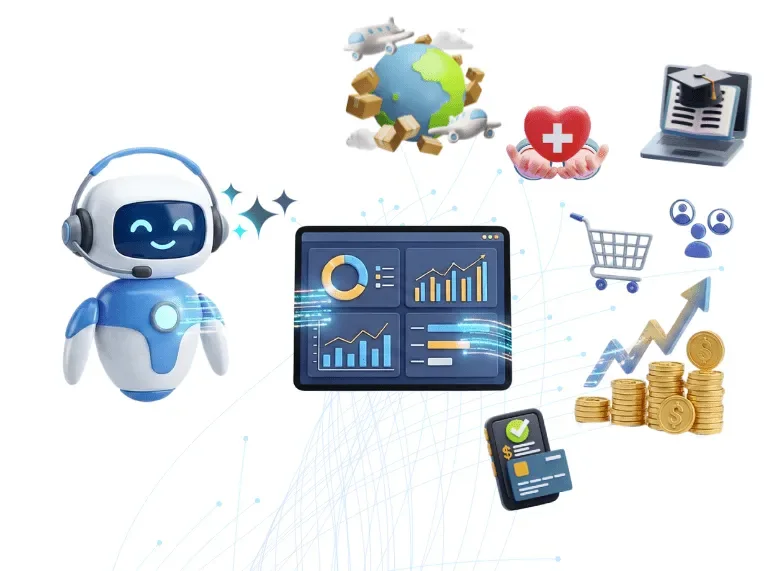
The future holds exciting possibilities for voice-based automation. As AI models become more sophisticated, voice systems will integrate more deeply with various platforms, enabling richer and more context-aware interactions. This will expand their use cases across industries like healthcare, finance, and retail.
Integration Strategies for Seamless User Experience
Successful deployment of voice technology depends on smooth integration with existing infrastructure. Strategies include leveraging APIs, ensuring compatibility with multiple devices, and prioritizing user-centric design. These approaches help create a cohesive and intuitive user experience.
Conclusion
Voice technology, especially AI Voicebot solutions, is revolutionizing how businesses engage with customers by delivering efficient and interactive communication channels. Companies seeking to enhance their service capabilities should explore these innovations to gain a competitive edge. For those interested in advanced voice automation technologies, mcube.com offers valuable resources and solutions tailored to meet diverse business needs.