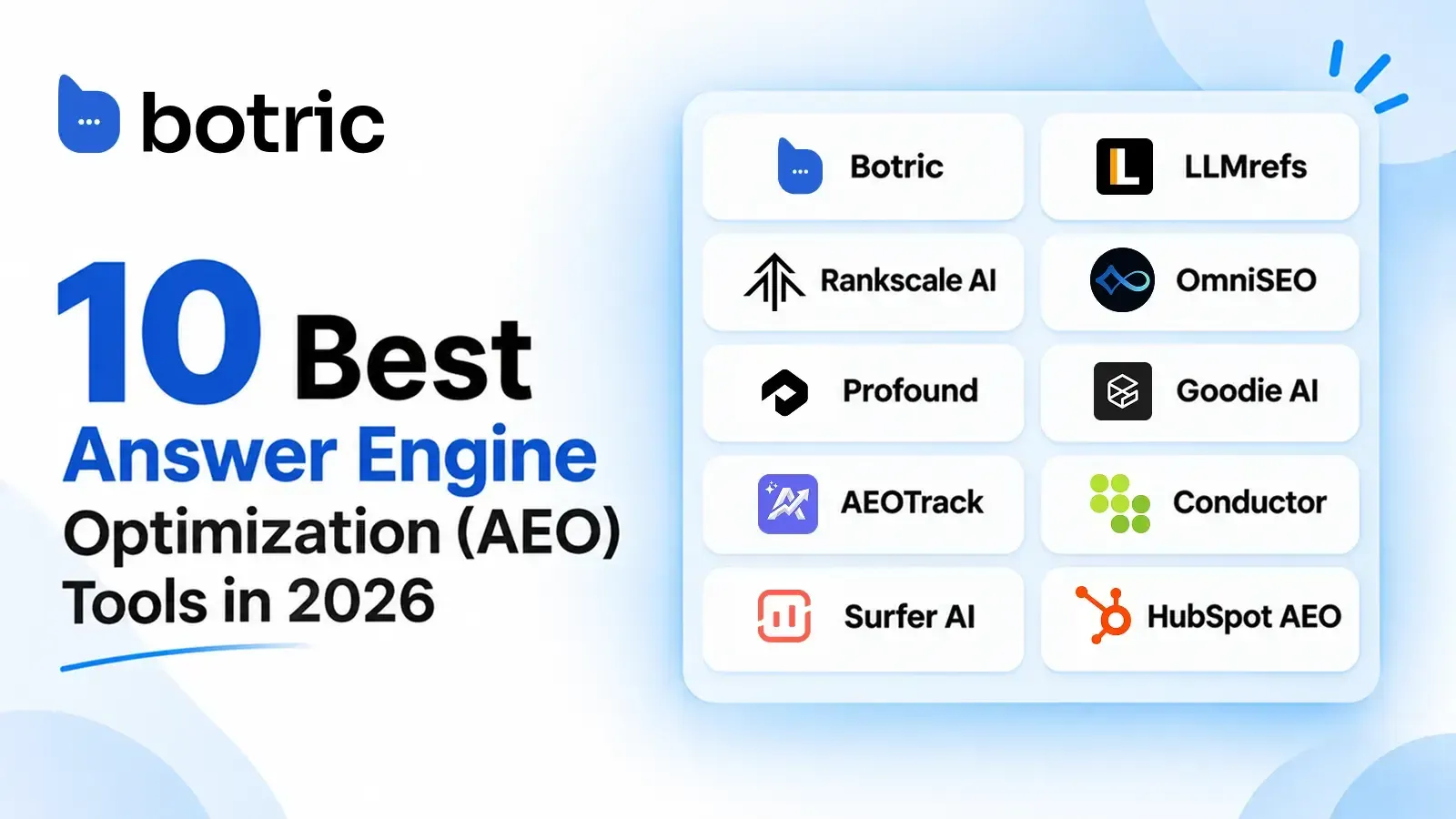
Why Answer Engine Optimization Needs Dedicated Tools
Answer Engine Optimization (AEO) focuses on how your brand is selected, summarized, and cited when users rely on AI-driven search experiences. Unlike classic SEO, AEO is often shaped by what models can confidently extract from your pages and what they deem most relevant to the query. Best aeo tools Dedicated tools help you measure signals such as AI visibility, citation frequency, and the quality of the prompts that surface your content. With the right workflow, you can move from guessing to improving what assistants choose to reference.
A benefits-led toolset also saves time across research, production, and optimization. Instead of manually monitoring model outputs, you can track performance patterns—like which topics consistently trigger mentions or which page types attract citations. Tools can additionally help map opportunities by analyzing competitor domains, content clusters, and question patterns. This lets you align your publishing strategy with the way answer systems interpret intent, not only with how keywords match.
What “Best” Means: Coverage, Signals, and Actionability
The best tools for AEO should cover the workflows that matter to teams: tracking AI visibility, monitoring citations, and evaluating how prompts retrieve your pages. Look for measurement capabilities that separate discovery from endorsement—so you can tell whether your content is being surfaced but not cited, or cited but not retained. Strong platforms also provide clarity on what changed in your results when you update content, adjust internal links, or publish new supporting resources. This “why” layer is essential for turning analytics into improvements.
Actionability is another deciding factor. The tool should not only show metrics but also recommend steps such as content refresh priorities, missing context to strengthen relevance, or structure changes that improve extractability. You’ll want prompt testing features that let your team see how different phrasing affects whether your sources appear in answers. Finally, competitor intelligence should go beyond rank-like indicators and include theme-level insights, citation patterns, and content gaps. When a tool helps you decide what to do next, it earns its place in your AEO stack.
Core Features to Track AI Visibility and Citations
To evaluate AI visibility, start with tools that monitor where and how your brand appears across leading AI experiences. Many teams benefit from dashboards that group results by topic, intent category, and model behavior so you can spot trends quickly. For citations, the best tools track whether your domain is referenced in an answer and how often it appears across sampled prompts. This helps you understand credibility signals and whether your content is being treated as an authority source.
Prompt-level testing is especially valuable for AEO because the same question can produce different answer structures. With robust tools, you can test variations like “best practices,” “compare,” “alternatives,” and “how to” to see which formats favor your pages. The output should help you identify which sections of your content are being extracted, such as definitions, step-by-step instructions, or comparison tables. When you can connect prompt phrasing to extracted evidence, you can optimize pages for the answers that matter most.
Competitor and Content Opportunity Tracking Across AI Platforms
Competitor monitoring in AEO is not just about who appears more often; it’s about why. Look for tools that analyze competitor citation patterns by topic and that reveal what content types earn trust, such as guides, FAQs, benchmarks, or original research. A strong platform can also show which competitor pages consistently earn mentions, helping you model structure and depth without copying. Over time, you can build a content strategy that targets the same “evidence expectations” that answer systems use.
Content opportunity tracking should also include gap analysis and expansion suggestions. For example, if competitors are cited for “comparison” queries, your team might create a dedicated comparison page with clear criteria, definitions, and concise takeaways. If AI answers frequently reference “implementation steps,” you can publish templates, checklists, or case studies that provide strong supporting detail. The best AEO tool workflows tie these opportunities to measurable outcomes, so you can track whether new pages improve citations and visibility. This creates a loop where research informs production, and production informs further optimization.
Conclusion
The value of AEO tools comes from measurable benefits: stronger AI visibility, improved citation performance, and faster decision-making. When you choose a platform designed for prompt testing, citation tracking, and competitor insights, you reduce uncertainty in how answer engines interpret your content. Instead of relying on generic keyword reports, you gain clarity on what the models extract and why certain sources appear in responses. As you evaluate options, prioritize coverage across leading AI experiences and look for features that translate analytics into next steps. The right tooling helps you refine content structure, strengthen supporting evidence, and target the topics and formats most likely to earn mentions. With a benefits-led approach, you can build an AEO workflow that turns research into action and action into sustained AI-driven discovery.