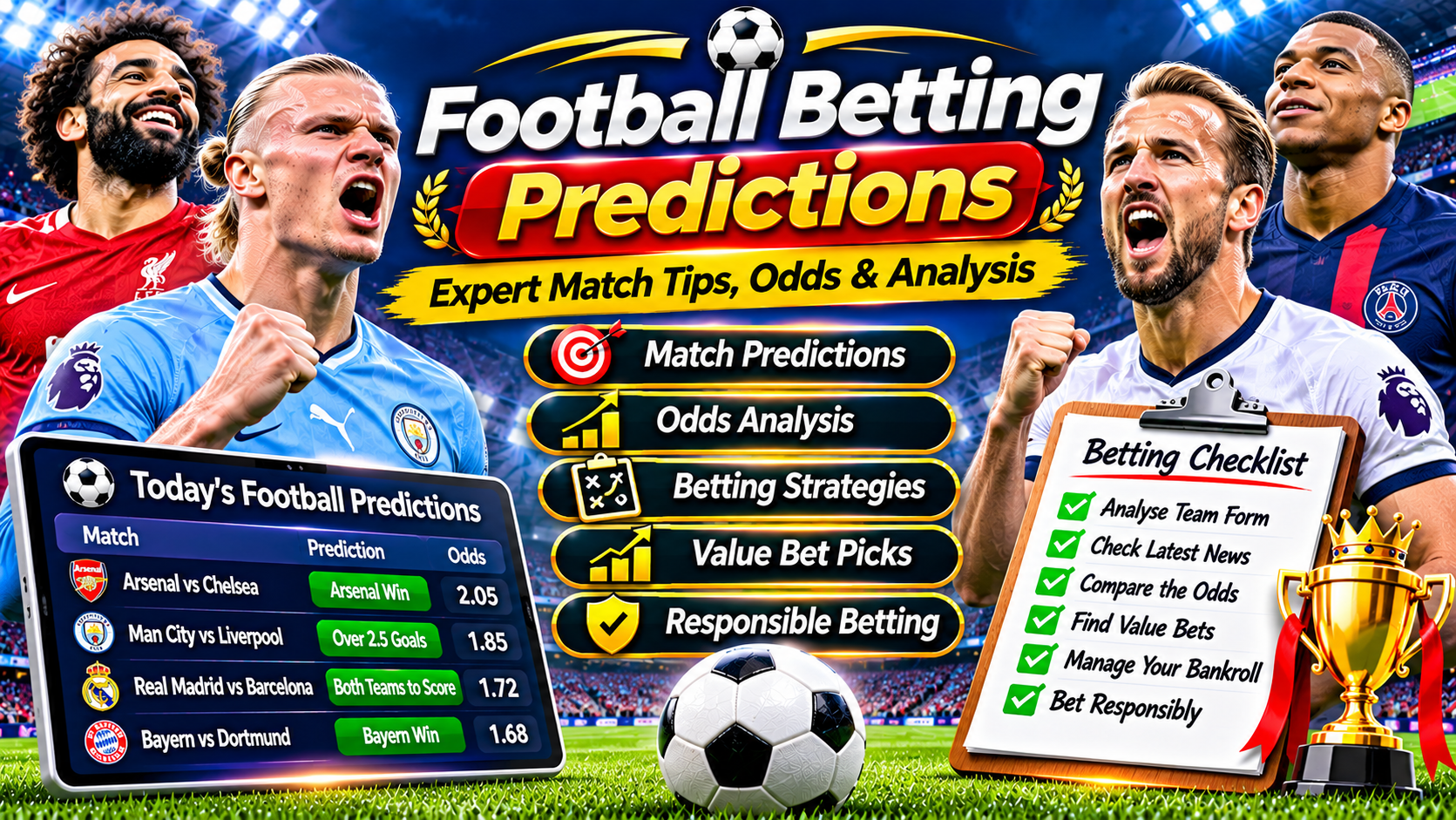
Start With Buyer-Intent Research, Not Guesswork
Before you place any bet, define what “winning” means for you—profit per bet, lower variance, or consistent coverage. Then evaluate Football Betting Predictions whether a tip source provides the underlying reasoning, such as matchup style, player availability, and market movement. A strong provider explains why a pick exists and how it should perform, not just what number to bet.
Next, check the quality of the signals you’re being offered. Look for references to team form in context, injuries that actually affect roles, and coaching tendencies that change game scripts. Avoid pages that only show bold picks without showing odds context or risk notes. Buyer-intent readers want to know what they’re paying attention to—especially whether the bet is value or merely popular. If a recommendation includes staking guidance or an explanation of alternatives, it’s usually a better match for cautious bettors.
How to Evaluate Picks: Odds, Matchups, and Risk Controls
The best way to separate helpful analysis from hype is to examine the odds and the implied probabilities. When a sportsbook price moves, it often reflects new information, and your edge may come from acting before the line fully adjusts. Compare the offered odds with what you believe the outcome chances are based on the matchup. If the odds don’t align with your estimate, you may be betting “consensus” rather than value. Even excellent analysis can fail if the price is wrong for your model.
Matchups matter more than generic “team strength” talk. For example, a possession-heavy team facing a side that presses aggressively may create different chances than the stats suggest. Also consider how styles influence tempo, which can affect totals, goal timing, and late-game volatility. Use player-impact thinking rather than name recognition: who controls the midfield, who wins duels, and who covers transitions. Finally, implement risk controls like smaller stakes on higher-variance markets, or split staking across correlated angles only when you understand the overlap.
Choosing Markets That Fit Your Goals
Not all bets are created equal, and buyer intent grows when you pick markets that match your bankroll style. If you prefer stability, focus on markets with clearer handicaps or structured scoring ranges rather than pure outcomes. If you can handle swings, you might explore totals, both-teams-to-score, or prop-style wagers based on usage and tactical roles. The key is aligning market selection with what you’re trying to optimize: steadier returns, upside potential, or hedging flexibility. A good betting guide helps you decide which market belongs in your betting routine.
Consider how correlation affects your portfolio. Two picks can both look logical while still increasing your overall exposure to the same game script. For instance, backing a favorite on the moneyline and also taking an under may conflict with a high-tempo match that produces early goals. Instead of stacking blindly, map each bet to a specific game narrative and check whether the narratives truly complement each other. When you can explain the “why” behind each selection, you reduce emotional betting and increase the chance that the plan holds when the match gets chaotic.
Casino Reviews and Responsible Play That Reduce Regret
Many bettors also want casino access that matches their wagering style, which is why casino reviews should be evaluated like any other buying decision. Look for transparent game lists, fair mechanics, and clear rules for bonuses, wagering requirements, and withdrawal conditions. A useful review highlights what matters operationally: payment speed, limits, customer support quality, and whether the site’s terms are straightforward. Avoid reviews that focus only on flashy promotions, because promotional generosity doesn’t help if the limits or restrictions don’t fit your behavior.
Responsible gambling isn’t a slogan; it’s a betting system feature. Choose sites that support deposit limits, self-exclusion options, and reality checks so you can maintain control. Set a bankroll for entertainment and separate it from your betting budget when possible, especially if you also play slots or casino games between matches. Create rules for stopping after a win or after a loss, and consider reducing stake sizes as variance increases. When a provider encourages responsible play and offers practical tools, it’s a strong sign you’ll have a safer experience.
Conclusion
Getting reliable outcomes requires more than enthusiasm—it requires decision quality, market awareness, and disciplined risk management. At the same time, treat casino reviews as part of your overall strategy by focusing on transparency, usability, and responsible features. When you combine evidence-based analysis with smart safeguards, you improve both confidence and long-term results. Before you place your next wager, audit your plan: what you’re betting, why you believe it, and how you’ll respond if the line moves against you. If the reasoning is clear, the risk controls are in place, and the platform supports responsible play, you’re making a more informed purchase decision. That approach helps you avoid impulsive bets and makes it easier to keep learning as matchups evolve. Bet smarter, stay grounded, and let your process—not luck—do the heavy lifting.